
THE SOUTH COAST OF LOMBOK: REAL GROWTH, REAL DATA, A UNIQUE OPPORTUNITY
The south coast of Lombok is not just a promise: it is a rapidly expanding market supported by data, institutional investment, and a clear global trend toward emerging destinations.
Areas such as Kuta Lombok and the strategic Mandalika region are experiencing sustained growth, positioning the southern part of the island as one of Asia’s emerging real estate hotspots.
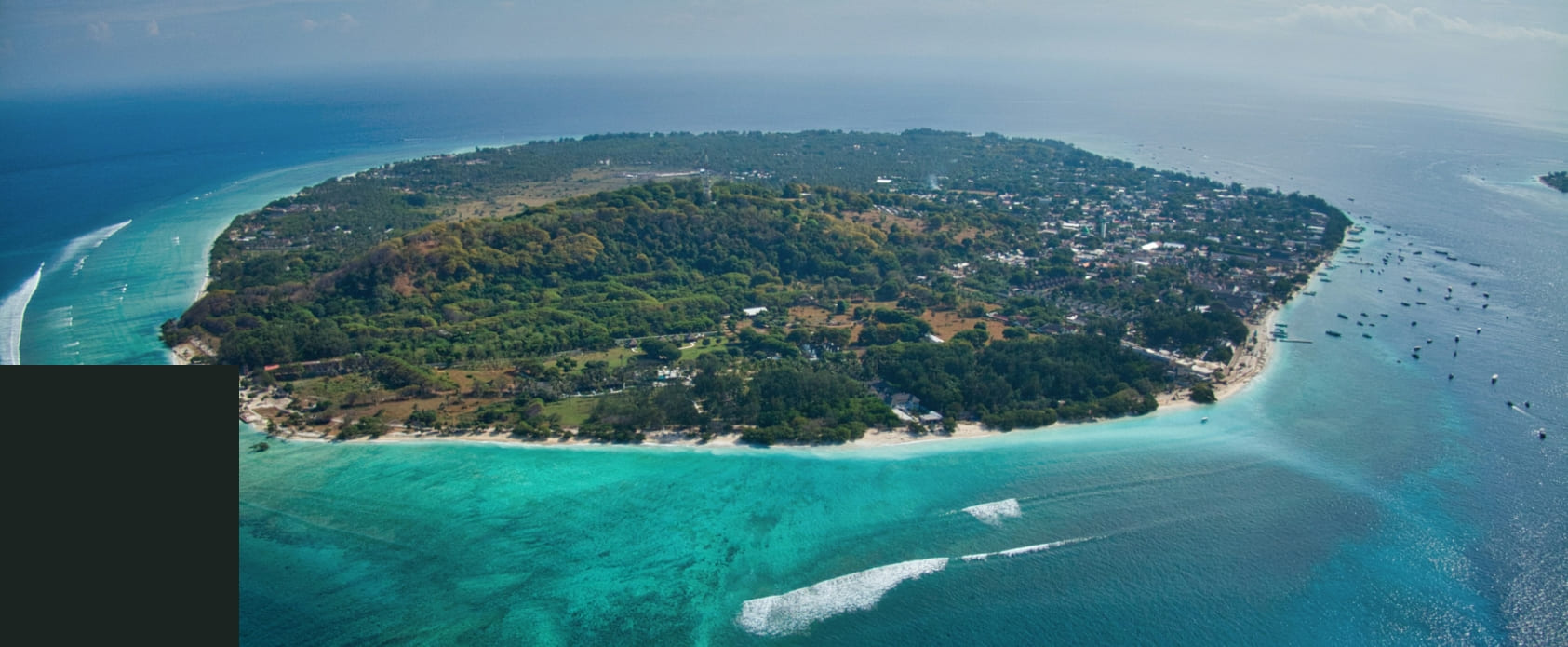
Tourism growth: demand is already here
Lombok has gone from being a secondary destination to establishing itself as a real alternative to Bali.
The target for 2026 is set at 2.8 million annual visitors.
This growth is not temporary: it is structural. Demand is increasing year after year, driven by:



In addition, the Mandalika area alone recorded more than 573,000 visitors in 2025, even while still under development.
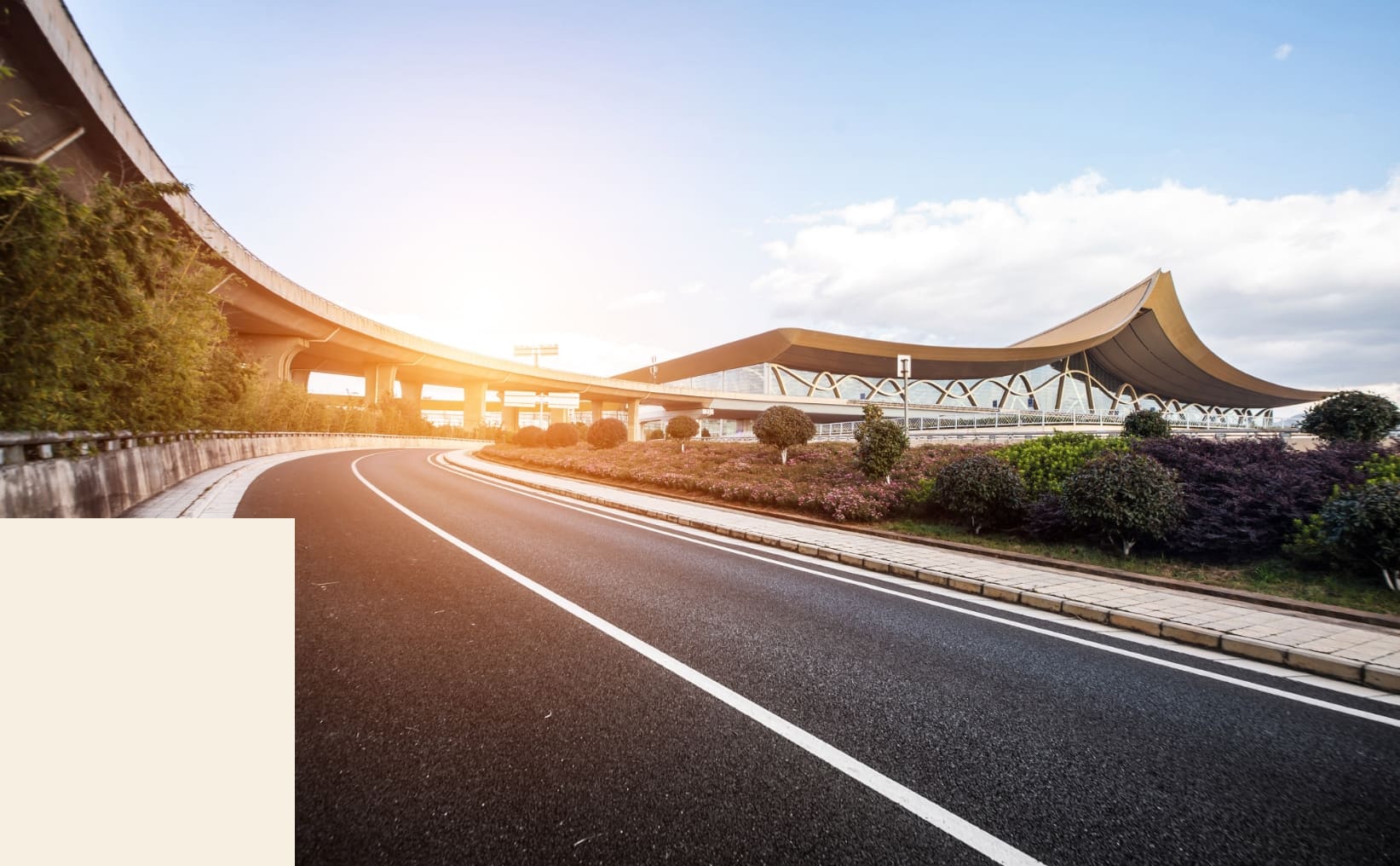
The development of Lombok International Airport has been one of the main catalysts of growth.
It currently connects Lombok with strategic hubs such as:
Kuala Lumpur
Singapur
Darwin
Yakarta
And most importantly: route expansion continues, opening the destination to new international markets.
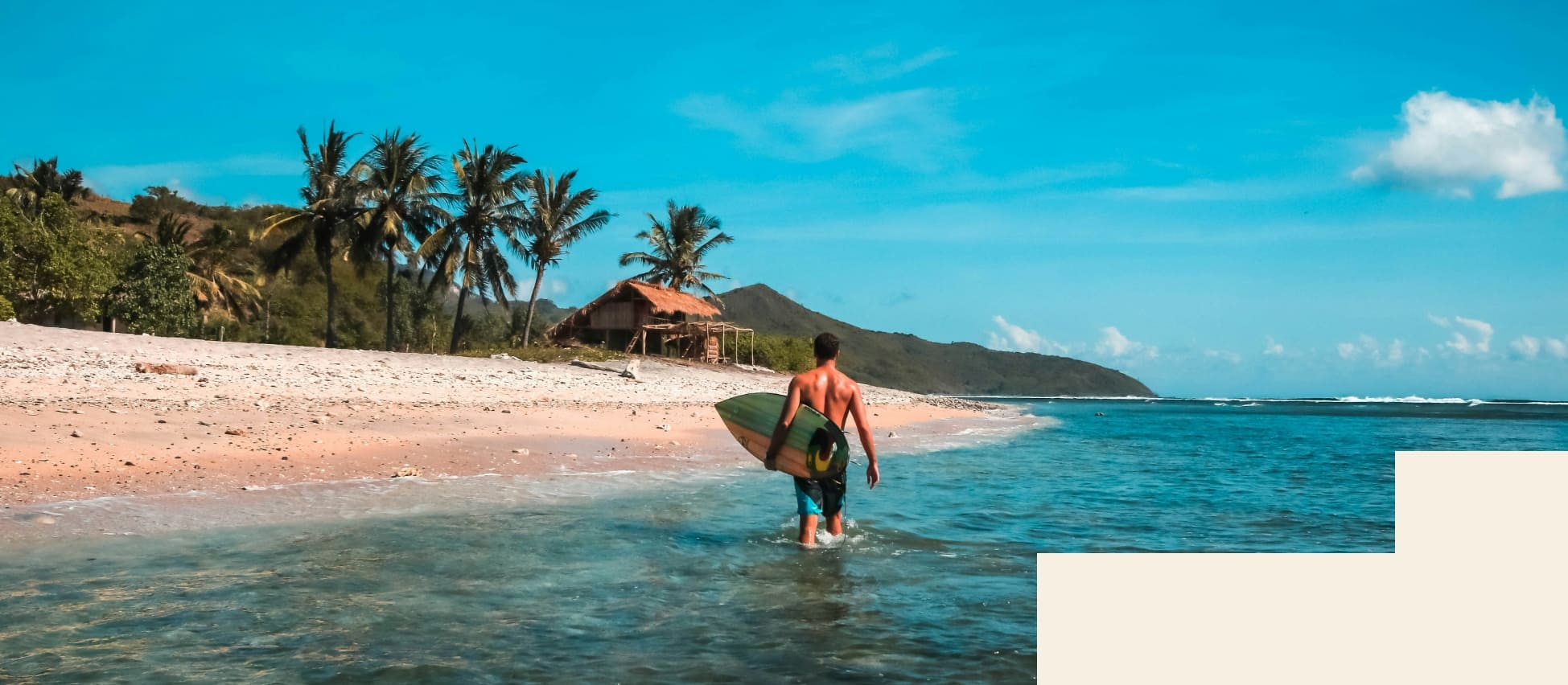
Mandalika: large-scale institutional investment
The development of Mandalika, managed by the Indonesia Tourism Development Corporation, is the main driver of this transformation.
Demographics: the hidden driver of growth
Investing in Indonesia is also a bet on one of the world’s countries with the highest demographic potential.
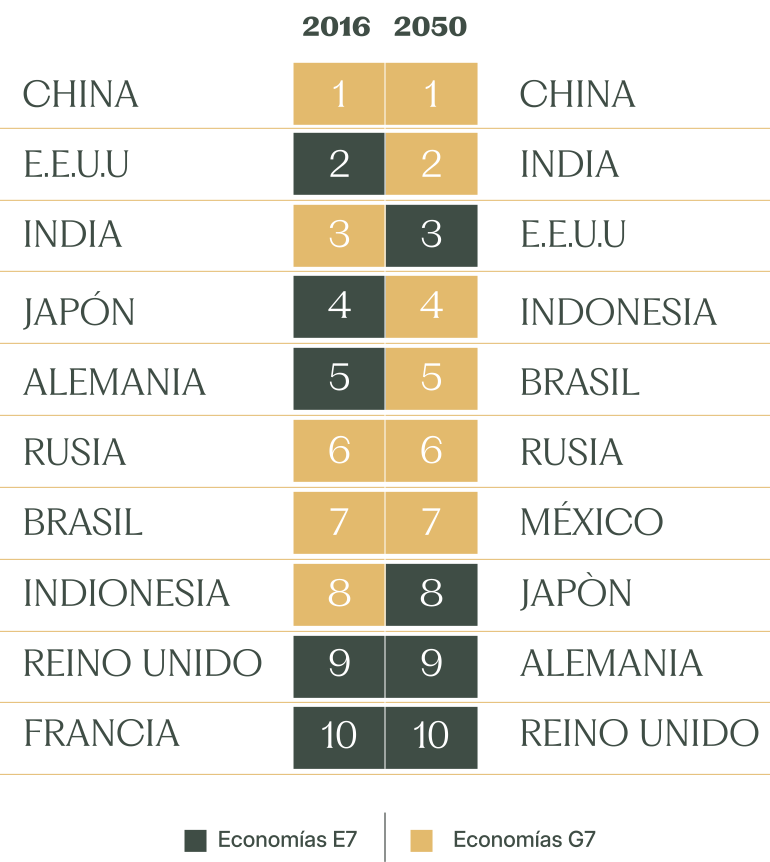
This implies a dual opportunity:
1. Growing international tourism
2. Expanding mass domestic tourism.
A key factor that many international investors still underestimate.
An opportunity before market maturity
Unlike Bali — already saturated and with high prices — Lombok, especially its southern coast, is still in an early stage of development
Investing in southern Lombok means entering an early-stage market with high growth and profitability potential. Unlike more saturated markets such as Bali
This means:
The market is following a clear pattern: infrastructure → tourism → investment → price increases.